Scriptures: Luke 20:20-26; Mark 12:13-17; Matthew 22:15-22
Paying Taxes to Caesar
Luke 20:19-26
The chief priests and the scribes sought to lay hands on him that very hour, but they feared the people—for they knew he had spoken this parable against them. 20 They watched him, and sent out spies, who pretended to be righteous, that they might trap him in something he said, so as to deliver him up to the power and authority of the governor.
21 They asked him, “Teacher, we know that you say and teach what is right, and aren’t partial to anyone, but truly teach the way of God. 22 Is it lawful for us to pay taxes to Caesar, or not?”
23 But he perceived their craftiness, and said to them, “Why do you test me? 24 Show me a denarius. Whose image and inscription are on it?” They answered, “Caesar’s.”
25 He said to them, “Then give to Caesar the things that are Caesar’s, and to God the things that are God’s.”
26 They weren’t able to trap him in his words before the people. They marvelled at his answer, and were silent.
Mark 12:13-17
They sent some of the Pharisees and the Herodians to him, that they might trap him with words.
14 When they had come, they asked him, “Teacher, we know that you are honest, and don’t defer to anyone; for you aren’t partial to anyone, but truly teach the way of God. Is it lawful to pay taxes to Caesar, or not? 15 Shall we give, or shall we not give?” But he, knowing their hypocrisy, said to them, “Why do you test me? Bring me a denarius, that I may see it.”
16 They brought it. He said to them, “Whose is this image and inscription?” They said to him, “Caesar’s.”
17 Jesus answered them, “Render to Caesar the things that are Caesar’s, and to God the things that are God’s.” They marvelled greatly at him.
Matthew 22:15-22
Then the Pharisees went and took counsel how they might entrap him in his talk.
16 They sent their disciples to him along with the Herodians, saying, “Teacher, we know that you are honest, and teach the way of God in truth, no matter whom you teach, you aren’t partial to anyone. 17 Tell us therefore, what do you think? Is it lawful to pay taxes to Caesar, or not?”
18 But Jesus perceived their wickedness, and said, “Why do you test me, you hypocrites? 19 Show me the tax money.” They brought to him a denarius. 20 He asked them, “Whose is this image and inscription?”
21 They said to him, “Caesar’s.” Then he said to them, “Give therefore to Caesar the things that are Caesar’s, and to God the things that are God’s.”
22 When they heard it, they marvelled, and left him, and went away.
“Render to Caesar what is Caesar’s and to God what is God’s.”
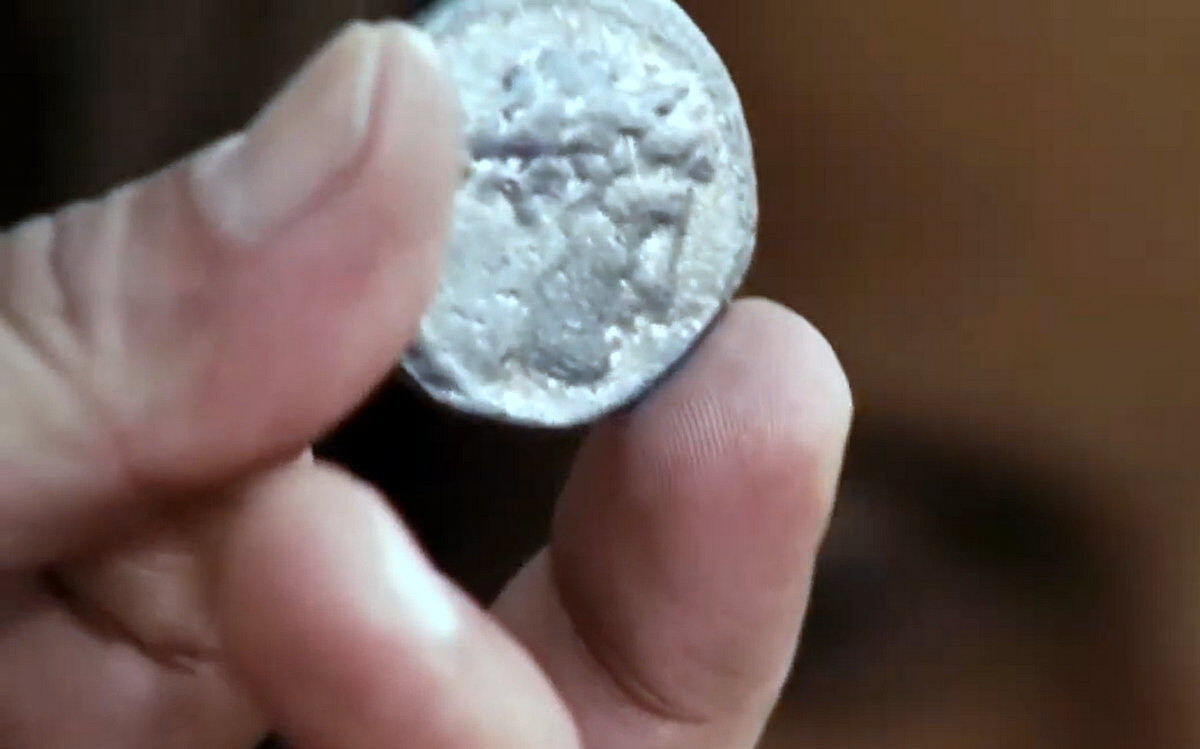
It is interesting to note in this story about paying taxes to the Roman government, that Jesus asked for a coin. He pointed to whose image was on the coin. They told him Caesar’s, and it was actually Julius Caesar who had been deified by the Romans, after his death in 44BC, as a god.
It reminds me of another time when Jesus taught his followers.
“No one can serve two masters: Either he will hate the one and love the other, or he will be devoted to the one and despise the other. You cannot serve both God and money.” (Matthew 6:24)
If we live in the world’s (beast) system, we must pay tribute to the world’s (beast) system. But if we live in God’s kingdom, we pay tribute to God.
I am also reminded of this:
You shall have no other gods before Me. (4) You shall not make for yourselves any graven image, or any likeness of anything that is in the heavens above, or that is in the earth beneath, or that is in the waters under the earth. (5) You shall not bow yourself down to them, nor serve them, for I, the LORD your God am a jealous God. (Exodus 20:3-5)
‘The silver is Mine, and the gold is Mine,’ says the LORD of hosts. (Haggai 2:8)