Teaching

  • | |

    The Gospel of Mark Isn’t What You Think: 4 Surprising Insights

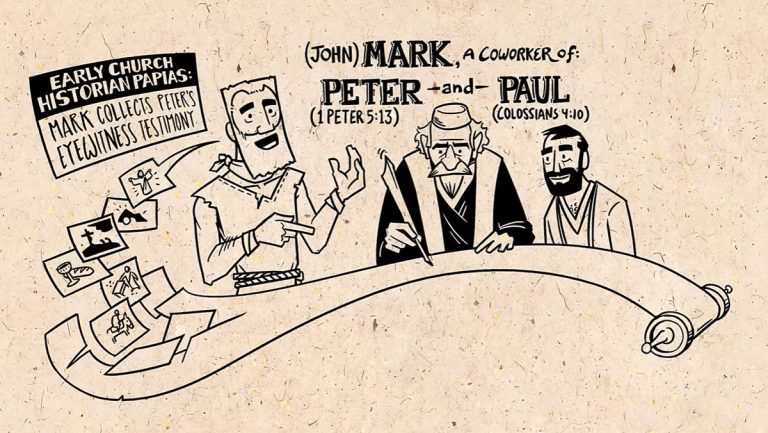
    The Gospel of Mark challenges expectations by presenting Jesus not as a conquering king, but as a suffering servant who gives his life as a ransom. Mark’s narrative avoids direct commentary, letting actions and reactions reveal Jesus’ identity. A Roman soldier, not a disciple, first recognizes Jesus as the Son of God at the crucifixion. The original ending leaves the story unresolved, forcing readers to grapple with the claim of a risen Messiah.
  • | |

    The Upside-Down Kingdom: Luke’s Revolutionary Portrait of Jesus

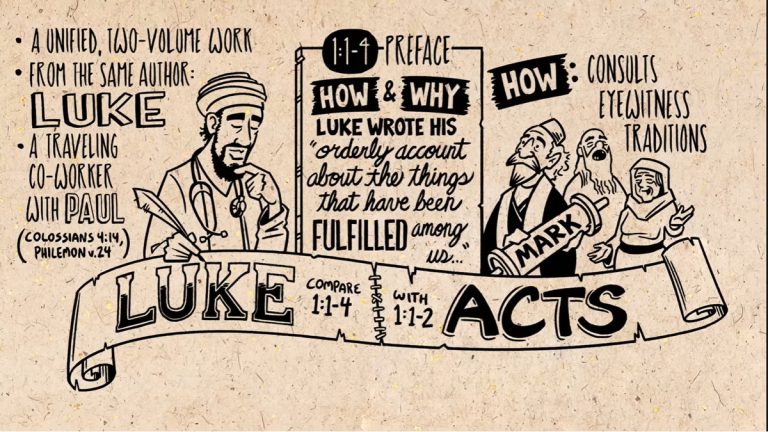
    * The post discusses Luke’s Gospel as a revolutionary portrayal of Jesus, emphasizing a “kingdom upside down” that challenges traditional values. | * It highlights Jesus’ mission to uplift the poor, marginalized, and outcasts, not just offer spiritual salvation.
    Luke frames discipleship as a journey, not a static role, and includes teachings on generosity and redefining “neighbor.” | * Jesus’ death is likened to a “new Exodus,” symbolizing liberation from sin and evil. | * True recognition of Jesus comes from seeing the world through His teachings, not personal agendas.

  • | |

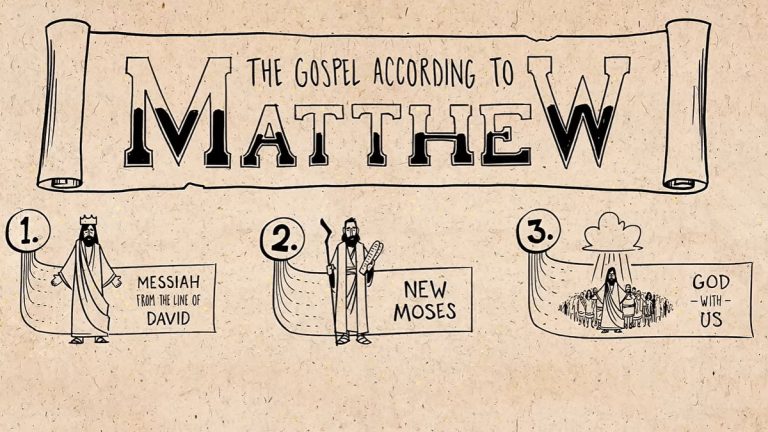
    An Upside-Down Kingdom: How Matthew Redefines Power and Grace

    The Gospel of Matthew is more than a simple biography—it’s a meticulously crafted literary masterpiece. Structured as a “New Torah” with five deliberate sections, Matthew presents Jesus as a new Moses figure. The narrative’s lopsided pacing dedicates two-thirds to three years of ministry, then zooms into intense focus on Jesus’s final week in Jerusalem. Most radically, Matthew subverts expectations by portraying Jesus not as a conquering military king, but as a servant leader whose “upside-down kingdom” inverts worldly values—where honor comes through service, wealth through giving, and power through sacrifice.

  • | |

    More than a Biography: What John’s Gospel Reveals About Jesus

    The Gospel of John isn’t just a biography—it’s a masterfully designed literary work. It opens with a cosmic poem declaring Jesus as the divine Word, then uses the number seven to structure miracles, titles, and “I am” statements. Through escalating conflict with Jewish leaders and a radical redefinition of power through foot-washing and the cross, John reveals Jesus as both fully divine and fully human. The narrative is intentionally crafted to lead readers to faith in his name.

  • 2. The Word Became Flesh

    Scriptures:  The Word Became Flesh John 1:1-13 In the beginning was the Word, and the Word was with God, and the Word was God. 2 The same was in the beginning with God. 3 All things were made through him. Without him was not anything made that has been made. 4 In him was life, and the life was the light of men. 5 The light shines in the darkness, and the darkness hasn’t overcome it. 6 There came a man sent from God, whose name was John. 7 The same came as a witness, that he might testify about…

  • 1. Summing Up

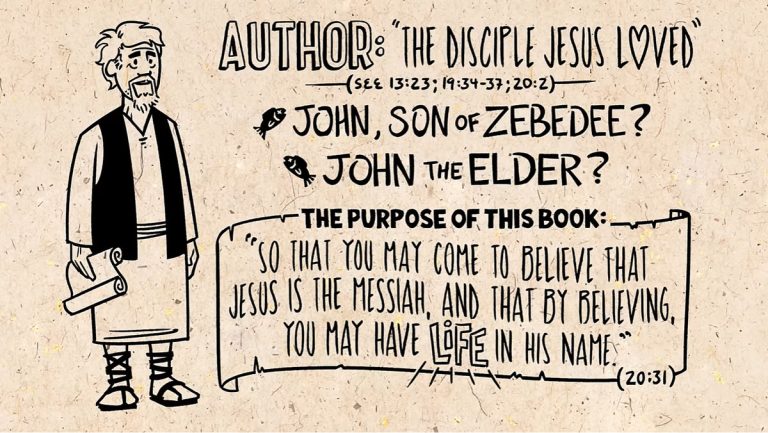
    Scriptures: John 20:30-31; 21:24-25 Summing Up The Purpose of This Book John 20:30-31  Therefore Jesus did many other signs in the presence of his disciples, which are not written in this book; 31 but these are written, that you may believe that Jesus is the Christ, the Son of God, and that believing you may have life in his name. John 21:24-25  This is the disciple who testifies about these things, and wrote these things. We know that his witness is true. 25 There are also many other things which Jesus did, which if they would all be written, I suppose…

  • 6. Peter and John Arrested

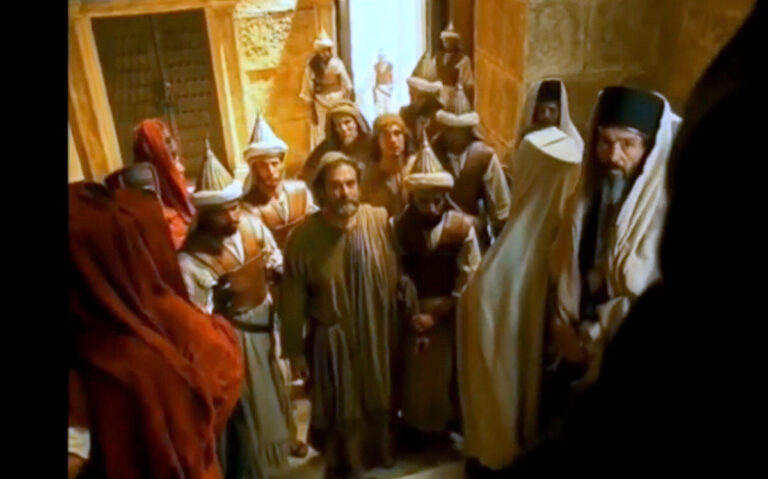
    Scriptures: Acts 3:1-26 Arrested for Preaching Acts 4:1-22  As they spoke to the people, the priests and the captain of the temple and the Sadducees came to them,  (2)  being upset because they taught the people and proclaimed in Jesus the resurrection from the dead.  (3)  They laid hands on them, and put them in custody until the next day, for it was now evening.  (4)  But many of those who heard the word believed, and the number of the men came to be about five thousand.   (5)  In the morning, their rulers, elders, and scribes were gathered together in…

  • 5. In the Name of Jesus Christ, Rise Up and Walk

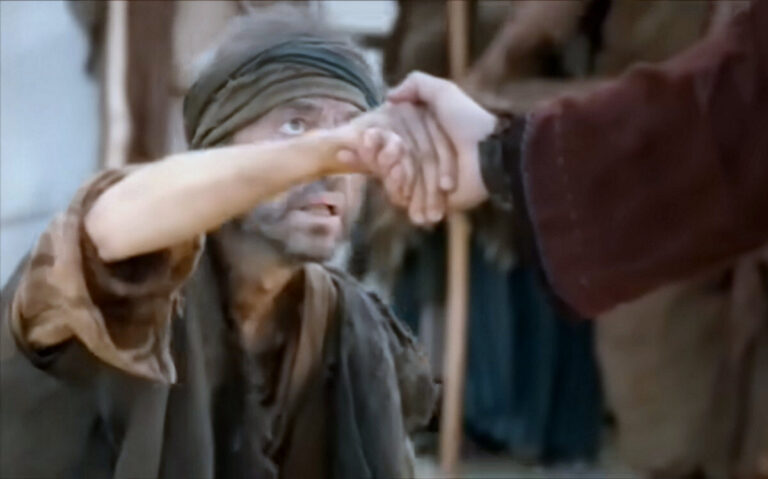
    Scriptures: Acts 3:1-26 Signs, Gospel and Repentance Acts 3:1-26  Peter and John were going up into the temple at the hour of prayer, the ninth hour.  (2)  A certain man who was lame from his mother’s womb was being carried, whom they laid daily at the door of the temple which is called Beautiful, to ask gifts for the needy of those who entered into the temple.  (3)  Seeing Peter and John about to go into the temple, he asked to receive gifts for the needy.   (4)  Peter, fastening his eyes on him, with John, said, “Look at us.”  (5) …

  • 4. The Fellowship of the Believers

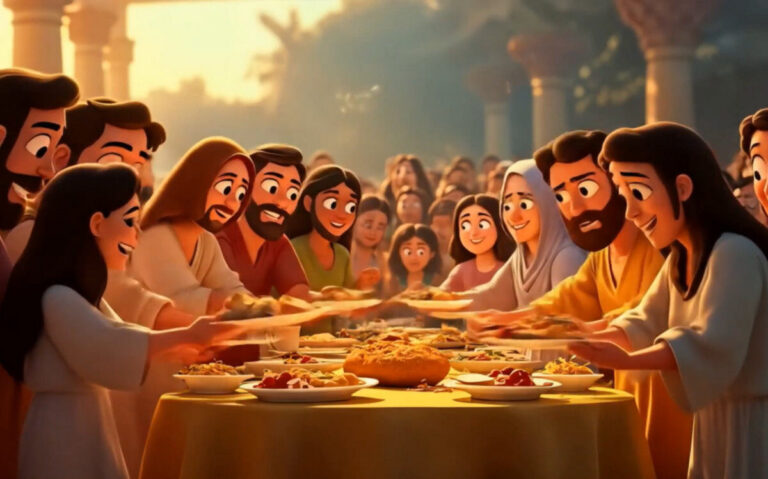
    Scriptures: Acts 2:42-47; Acts 4:32-37 The Fellowship of the Believers Acts 2:42-47  They continued steadfastly in the apostles’ teaching and fellowship, in the breaking of bread, and prayer. 43 Fear came on every soul, and many wonders and signs were done through the apostles. 44 All who believed were together, and had all things in common. 45 They sold their possessions and goods, and distributed them to all, according as anyone had need. 46 Day by day, continuing steadfastly with one accord in the temple, and breaking bread at home, they took their food with gladness and singleness of heart, 47 praising…

  • 3. Peter’s Sermon at Pentecost

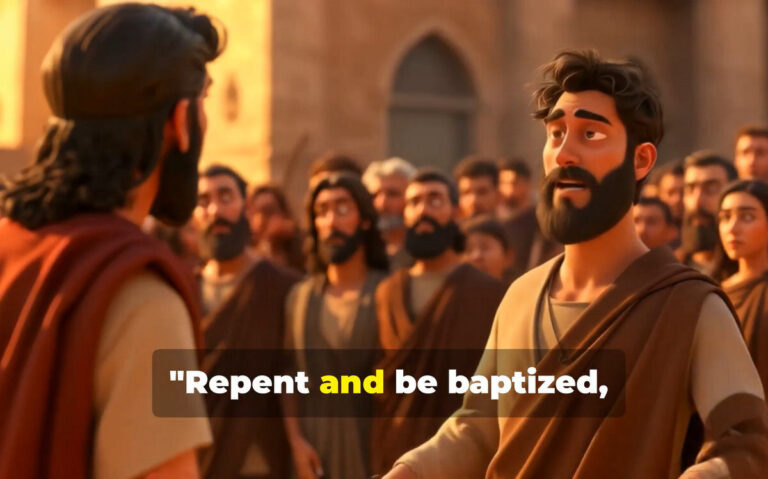
    Scriptures: Acts 2:14-41 Peter’s Sermon at Pentecost Acts 2:14-41  But Peter, standing up with the eleven, lifted up his voice, and spoke out to them, “You men of Judea, and all you who dwell at Jerusalem, let this be known to you, and listen to my words. 15 For these aren’t drunken, as you suppose, seeing it is only the third hour of the day. 16 But this is what has been spoken through the prophet Joel: 17 ‘It will be in the last days, says God, that I will pour out my Spirit on all flesh. Your sons and your…